Tips for Creating a Cosy and Inviting Home Office Space
Creating a cosy and inviting home office space can transform your workday, making it more enjoyable and productive. Whether you work from home full-time or occasionally need a quiet spot to focus, a well-designed office contributes to your comfort and motivation. Here are some practical tips to help you craft a space that feels both welcoming and efficient.
Choose the Right Location
The first step is selecting the best place in your home for your office. Ideally, it should be a quiet spot with minimal distractions. Consider a spare room, a nook in the living room, or even a corner of the bedroom if space is limited.
Natural Light is Key
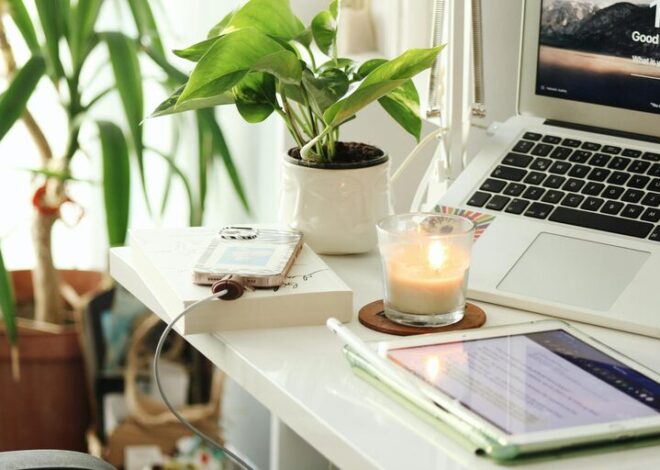
If possible, position your desk near a window. Natural light boosts mood and energy levels, making it easier to concentrate. If natural light is scarce, invest in good-quality lighting to avoid eye strain.
Invest in Comfortable Furniture
Comfort matters when you spend hours at your desk. A supportive chair with adjustable height and good back support is essential to prevent discomfort and fatigue.
Desk Size and Shape
Choose a desk that offers enough surface area for your computer, paperwork, and other essentials without feeling cramped. Depending on your preference, L-shaped or corner desks can maximise space efficiently.
Personalise Your Workspace
Adding personal touches can make the area more inviting and inspire creativity.
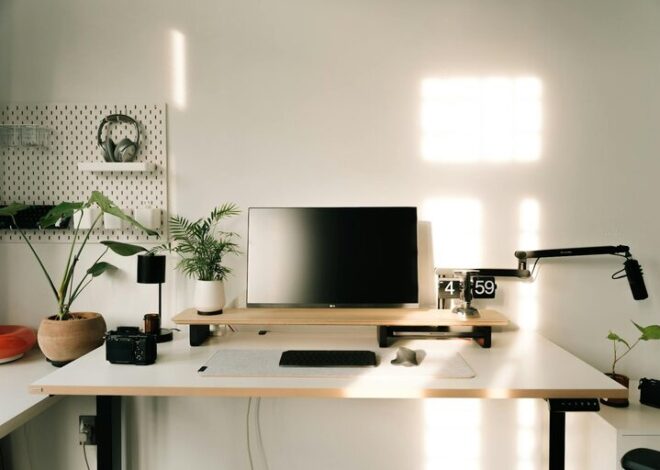
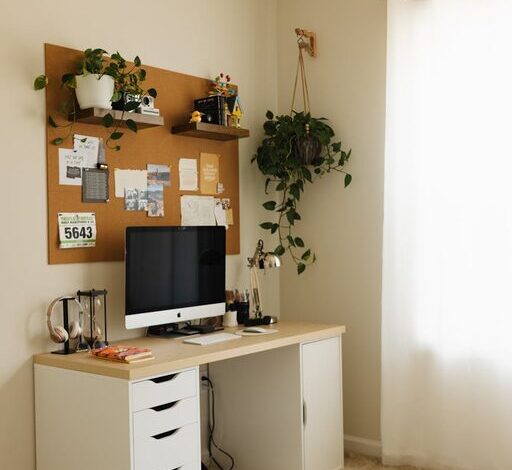
– Decorate with plants: Small indoor plants brighten the space and improve air quality.
– Artwork and photos: Display pieces that motivate or calm you.
– Soft textiles: Consider cushions or a plush rug to enhance warmth.
However, avoid cluttering your desk to maintain a tidy and distraction-free zone.
Organise Efficiently
Good organisation supports productivity and reduces stress.
– Use storage solutions: Shelves, filing cabinets, and desk organisers keep documents and supplies in order.
– Cable management: Use clips or sleeves to keep cords neat and out of sight.
– Declutter regularly: Set aside time weekly to tidy your space.
Choose Calming Colours
Colour can influence mood and focus. Soft, neutral tones like pale blues, greens, or greys promote calmness and concentration. If you prefer brighter colours, include them in small accents like stationery or cushions.
Pay Attention to Lighting
Beyond natural light, your artificial lighting should be adjustable to suit different tasks.
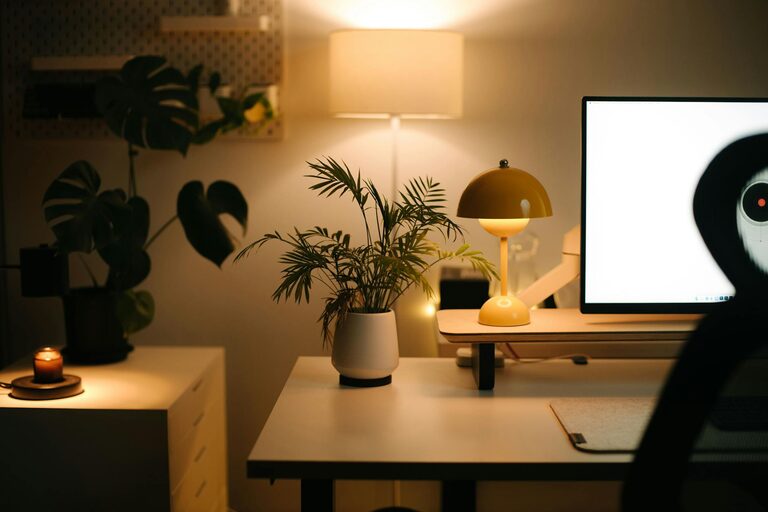
– Task lighting: A desk lamp with adjustable brightness helps when reading or writing.
– Ambient lighting: Overhead lights that aren’t too harsh prevent eye strain.
– Avoid glare: Position screens to reduce reflections from light sources.
Incorporate Sound Control
If external noise is an issue, explore ways to minimise distractions.
– Use rugs and curtains: These absorb sound, softening echoes.
– White noise machines or soft music: These can mask disruptive sounds.
– Noise-cancelling headphones: Useful if background noise is unavoidable.
Maintain Air Quality and Temperature
A fresh environment supports wellbeing.
– Ventilate regularly: Open windows or use air purifiers.
– Control temperature: Ensure your office is neither too cold nor too warm; a comfortable temperature aids focus.
Create Zones for Different Activities
If space allows, designate areas for various tasks, such as a reading corner or a brainstorming space. This separation can help shift your mindset according to the activity and prevent monotony.
Limit Distractions
Keep non-work items like television remotes or unrelated paperwork out of sight to maintain focus.
Establish a Daily Routine
Having a consistent schedule and clear start and finish times can make working from home feel more structured and less overwhelming.
—
By combining comfort, organisation, and personal style, you can create a home office that not only looks inviting but also encourages efficiency. Making small changes over time will help the space evolve to meet your needs. Remember, your home office should support how you work best, so take the time to tailor it accordingly.